
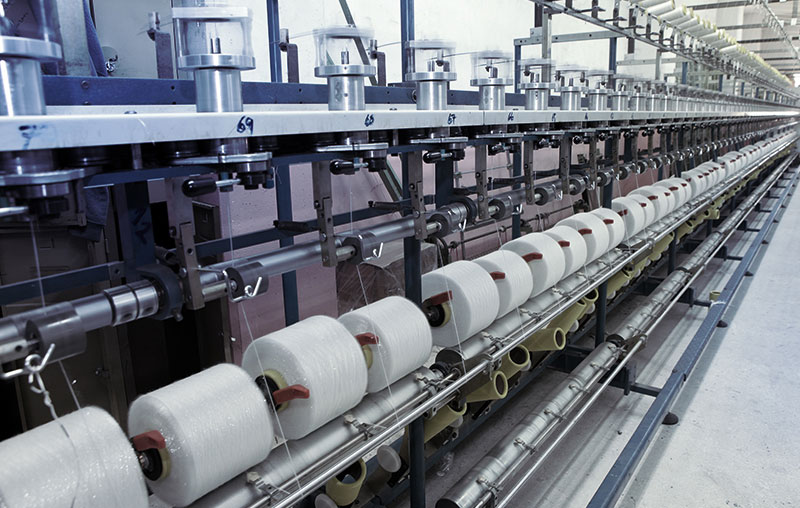

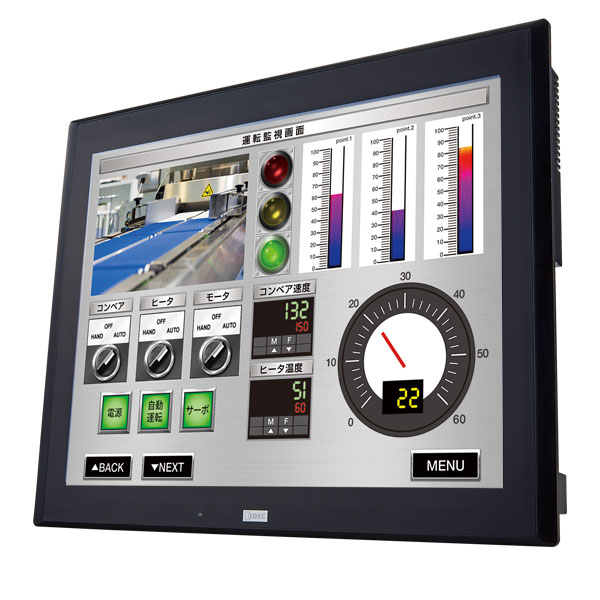
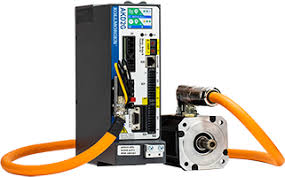
Textile industrial automation refers to the use of automation technology to improve the efficiency and productivity of textile manufacturing processes. This can include the use of various technologies such as sensors, actuators, and programmable logic controllers (PLCs) to automate the production and processing of textile materials.
Implementing automation in textile manufacturing can result in several benefits, including increased productivity, reduced labor costs, improved product quality, and enhanced safety. However, it is important to have skilled technicians and engineers who are knowledgeable about automation technology to implement and maintain these systems.
Machine automation refers to the use of technology to automate various manufacturing and industrial processes. This can involve the use of sensors, actuators, and control systems to monitor and control machine functions, as well as software and data analytics to optimize production and reduce downtime.
Implementing machine automation can result in several benefits, including increased productivity, reduced labor costs, improved product quality, and enhanced safety. However, it is important to have skilled technicians and engineers who are knowledgeable about automation technology to implement and maintain these systems. It is also important to consider the cost and feasibility of implementing automation technology, as well as any potential impacts on the workforce.